New way to apply the concept of neuroplasticity to rehabilitation – Amplifying the Brain’s Ability to Heal Itself
Our goal is to pioneer unique, noninvasive platform technologies that support neurological wellness.
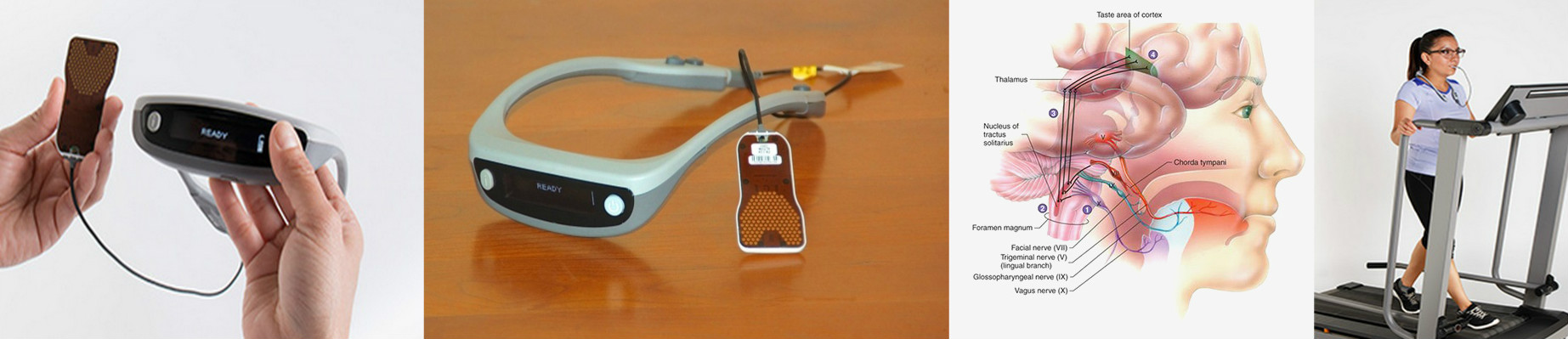
After we analyzed the first pilot data to support cranial nerve noninvasive neuromodulation (CN-NINM) and found that whole-tongue electro tactile stimulation without sensory substitution significantly improves the effectiveness of therapeutic exercises in people with vestibular disorders,we decide to develope and built the Portable Neuromodulation Stimulator (PoNS™) device, the active factor in CN-NINM intervention, and tested approximately 100 units. Positive data gathered from resulting US and international pilot projects, case studies, and randomized controlled trials supported further study of the device to determine application to neurological conditions such as mild-to-moderate traumatic brain injury (mTBI).
PoNS device uses cranial nerve noninvasive neuromodulation (CN-NINM) to potentially alter the capacity, organization and function of brain structures.
It is believed that neuromodulation enhances neuroplasticity, the brain’s ability to restructure or relearn in response to new experiences, sensory input, and functional demands. Research has shown that the process of neuroplasticity underlies all cerebral learning, training and rehabilitation.
In clinical studies, the PoNS device coupled with targeted functional therapy induces cranial nerve noninvasive neuromodulation (CN-NINM). Therapy consists of targeted physical, occupational and cognitive exercises, based on the patient’s deficits.
Research shows that electrical stimulation of the tongue stimulates two major cranial nerves: the trigeminal (the nerve responsible for sensations in the face, biting and chewing) and the facial (the nerve responsible for motor control of most of the muscles of facial expression). The electrical stimulation of the cranial nerves creates a flow of neural impulses that are then delivered directly into the brain stem—the main control center for many life functions, including sensory perception and movement. From the brain stem, these impulses travel throughout the brain and activate or reactivate neurons and structures involved in human function—the cortex, spinal cord and potentially the entire central nervous system.
Researchers believe that this sustained stimulation initiates a sequential cascade of changes in the actual interconnected nuclei, or the neuronal network, that are at the core of major anatomical components of the brain.
Based on this theory, it is believed that CN-NINM may be applied to improve a large variety of neurological symptoms .
We are using PONS successfully treat Multiple sclerosis and Traumatic Brain Injury.